
Specify the shape and the checks
Suggested time: 6 minutes.
An output format tells the assistant how to arrange the result. A useful format makes your later review easier.
“Keep it short” is open to interpretation. “Exactly three bullets, one per source note, with no introduction” is observable. A moderate word limit can help, but you must still check it if it matters. A request for a format is not a guarantee that the response will follow it.
Our target is:
- Three bullets, one each for invitation, room and practice session.
- Each bullet starts with a topic label.
- Each bullet keeps its status and any unresolved point.
- Each bullet ends with its source label.
- The whole response stays under 70 words, with no extra introduction or conclusion.
The source labels reuse Module 1’s simple checking method. They help you locate the original note; they do not make an unsupported statement true.
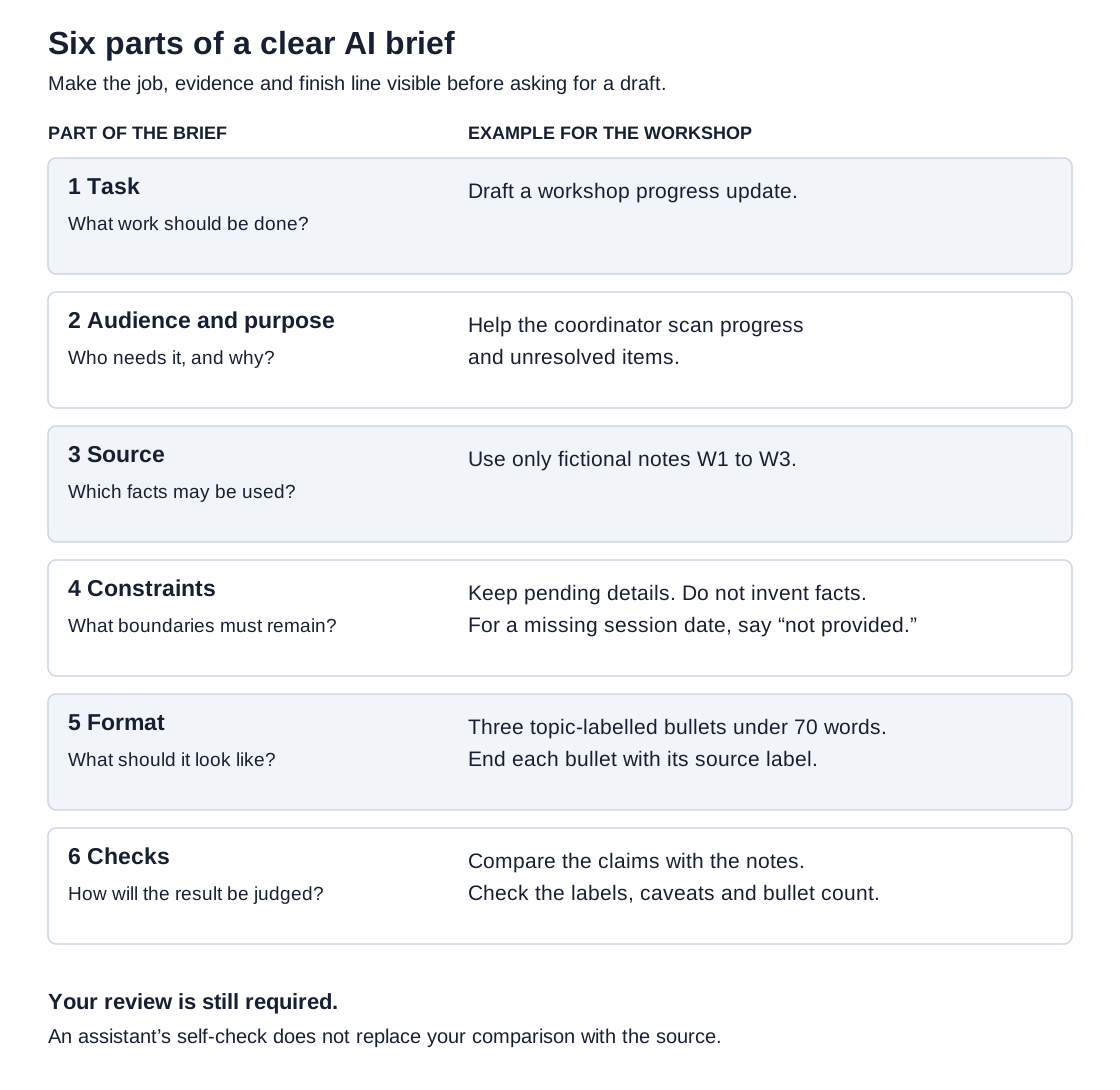
Six parts of the brief
Illustration: An annotated brief shows six parts: task, audience and purpose, source, constraints, format, and checks. Each part answers a different question about the requested work. See the accompanying annotated-brief diagram.
Text equivalent:
- Task: Draft a progress update. What work should be done?
- Audience and purpose: Help the coordinator scan progress and open items. Who needs it, and why?
- Source: Fictional notes W1 to W3. What facts may be used?
- Constraints: Keep uncertainty and do not invent missing details. What boundaries must be respected?
- Format: Three labelled bullets under 70 words. What should the response look like?
- Checks: Compare each statement with the notes and inspect the required format. How will the result be judged?
“Checks” has two uses. You can ask the assistant to review its draft before returning it, and you can write a checklist for your own review. The first may help catch mistakes; it does not replace the second.
When an example helps
If the format is unfamiliar, add a small structural example:
“Use this structure: Topic: progress; unresolved point. [source label]”
The placeholders show the shape without adding new workshop facts. A long unrelated sample with real dates and names could encourage accidental carry-over. Use an example only when it clarifies something the instructions leave hard to picture.
Quick pause: Which is easier to check: “make it concise” or “exactly three bullets under 70 words”? Which one still needs a separate check for meaning? The answer is in the solutions.
Read the diagram explanation
An annotated brief connects each of six components to a question and an example: task, audience and purpose, source, constraints, format, and checks. A footer reminds learners to inspect the response themselves.
Reading progress
47 lessons remain open to guests. Marking a lesson read records reading only; it does not award assessment credit or a certificate.
Device reading marks require browser storage. Reading is always available.
Sign in or create an account to save separate account progress. Your current page is kept.
Your earlier place on this device suggests these lessons. No new lesson is marked read.